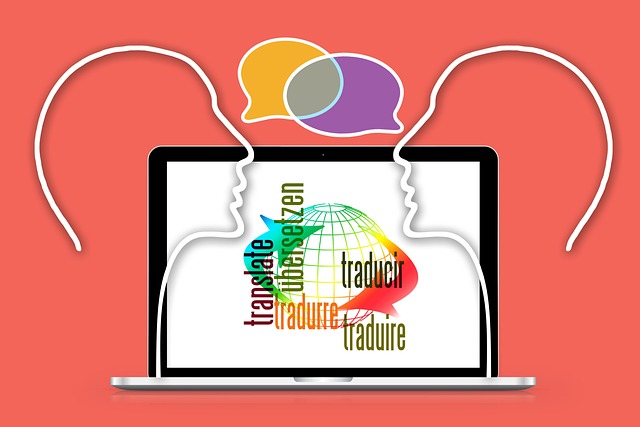
Artificial Intelligence (AI) transforms translation by enhancing human expertise, speeding workflows, and ensuring accuracy. Key benefits include rapid mastery of new words, cultural nuance, streamlined global content creation, and improved productivity. AI models capture natural language, idioms, and poetic license, allowing translators to focus on creativity while maintaining artistic integrity in literary works. Cutting-edge tools and platforms elevate translation quality, fostering deeper connections across diverse global audiences.
The field of translation has evolved significantly with the advent of artificial intelligence (AI), presenting a powerful tool to assist human translators. As the globalized world demands faster and more accurate communication, the traditional methods of translating texts have become insufficient. The challenge lies in maintaining quality while expediting the translation process. AI offers a solution through advanced algorithms capable of analyzing vast amounts of data, learning from context, and translating naturally. By augmenting human expertise, AI can enhance efficiency, reduce errors, and ensure consistent high-quality translations, making it an indispensable asset in the modern translation industry.
- Understanding AI's Role in Translation
- Enhancing Accuracy: Training AI Models
- Integrating AI: Translating Naturally
Understanding AI's Role in Translation
Artificial Intelligence (AI) is revolutionizing the field of translation, offering a new era where technology enhances human expertise. In the globalized world of today, the need for accurate, natural translations has never been greater. AI’s role is not to replace human translators but to empower them, enabling faster and more efficient workflows while maintaining quality. This partnership between man and machine is crucial in navigating the complexities of international business communications.
One of AI’s most significant contributions is its ability to help translators master new words quickly. Advanced algorithms can analyze vast text corpora, providing context-rich suggestions for less common terms or industry-specific jargon. This not only accelerates the translation process but also ensures a more nuanced understanding of the source text. For example, an AI system could propose culture-specific expressions based on its analysis of global online conversations, helping translators convey the intended meaning with precision and authenticity.
In international business communications, where clear and effective messaging is vital, AI can play a pivotal role in bridging cultural gaps. It can identify and interpret subtle nuances, idiomatic expressions, and proverbs that might be lost in translation. By leveraging machine learning models, AI tools can learn from human feedback, constantly improving their performance over time. This iterative process ensures that translations not only communicate the intended message but also resonate with target audiences across diverse cultural landscapes. To enhance this further, some platforms offer real-time collaboration features, allowing translators to give us a call at “master new words quickly” and tap into collective knowledge for complex projects.
Additionally, AI streamlines the process of targeting global audiences by enabling translators to quickly adapt content for different regions and languages. It can automate repetitive tasks like formatting, ensuring consistency across multiple versions. This frees up human translators to focus on creativity, cultural adaptation, and mastering the art of translate naturally, resulting in high-quality, globally appealing content.
Enhancing Accuracy: Training AI Models
The integration of Artificial Intelligence (AI) into translation processes has sparked a new era of precision and efficiency for human translators. In the realm of enhancing accuracy, AI models are being trained to mirror natural language, aiming to translate texts with remarkable fluency and fidelity. This advancement is pivotal as translators strive to transcend mere word-for-word substitutions, fostering true cultural understanding. By leveraging AI, translators can capture nuances, idioms, and poetic license in translation, ensuring that the essence of the original work resonates with global audiences.
Training AI models involves exposing them to vast multilingual datasets, enabling them to learn from a diverse range of linguistic structures and contexts. This process allows AI to adapt and improve over time, providing translators with a powerful tool for consistency and quality control. For instance, consider a human translator tasked with adapting a literary work into multiple languages, each with its own cultural subtleties. AI can assist by identifying patterns, suggesting translations, and even flagging potential cultural missteps. This collaboration ensures that the translated text not only conveys the literal meaning but also captures the spirit of the original, serving as a true cultural bridge.
As the field evolves, it’s crucial for translators to stay informed about cutting-edge AI technologies. Platforms like [Your Brand/SEO considerations for multilingual sites] offer specialized tools tailored to enhance translation accuracy and productivity. These tools often incorporate machine learning algorithms that can adapt to individual translator styles, further refining the translation process. By embracing these advancements, translators can focus more on creative aspects, such as maintaining poetic license in translation, ensuring that literary works transcend language barriers while preserving their artistic integrity. Ultimately, the marriage of human expertise and AI technology promises to elevate the art of translation to new heights, fostering deeper connections across diverse global audiences.
Integrating AI: Translating Naturally
The integration of Artificial Intelligence (AI) into translation processes has opened new avenues for both human translators and language enthusiasts. Among the many capabilities, AI’s potential to facilitate natural translation is a game-changer in the field. By employing sophisticated algorithms, AI systems can now not only translate words but also capture nuances, idioms, and even poetic license—a significant leap from early machine translation tools that often produced literal, stilted translations. This evolution allows for a more fluid and accurate representation of source text in the target language, ensuring that the essence of the original message is preserved.
When it comes to translating naturally, AI offers both simultaneous and consecutive translation options, catering to diverse needs. Simultaneous translation provides real-time, instant interpretations, ideal for dynamic settings like conferences or live events, where speed and accuracy are crucial. On the other hand, consecutive translation, though requiring a bit more time, is highly effective for written content, enabling translators to maintain grammatical accuracy and capture complex linguistic structures. For instance, AI can assist in identifying subtle differences in word choice that convey distinct shades of meaning, ensuring the translated text reads as naturally as if it were written by a native speaker.
Furthermore, AI-powered translation tools can perform extensive grammatical accuracy checks, flagging potential errors and suggesting improvements. This feature is particularly beneficial for maintaining consistency and fluency in lengthy texts. For example, when translating literary works or poetry, where poetic license plays a significant role, AI models trained on vast corpora of literature can provide insights into how certain expressions or metaphors might be adapted while preserving the intended artistic effect. By leveraging learn foreign vocabulary resources and exploring diverse linguistic patterns, translators can enhance their craft and create more engaging, accurate translations.
By leveraging AI technologies, human translators can elevate their work to new heights. Understanding AI’s role involves recognizing its ability to enhance efficiency and accuracy, while training models on diverse data ensures improved performance. Integrating AI seamlessly allows for translating naturally, reflecting the nuances of human language. Key takeaways include investing in robust AI infrastructure, continually updating models with new linguistic trends, and fostering collaboration between translators and AI tools. This holistic approach not only streamlines translation processes but also produces more accurate and culturally sensitive outputs. With AI as a capable assistant, translators can focus on creative and strategic aspects, ultimately delivering exceptional results across various industries.
About the Author