To translate effectively and produce high-quality work, understand your target audience and culture. Skilled translators navigate linguistic nuances and cultural subtleties to ensure their work resonates naturally with diverse readers. Key steps include extensive vocabulary learning, iterative practice, adapting phrases based on regional communication styles, and mastering grammar and syntax. Data shows that culturally sensitive translations enhance reader engagement and comprehension. Consistent translation style guides, professional tools, and community translation projects further improve accuracy and accessibility. Regular practice, meticulous editing, and rigorous proofreading are essential for enhancing translation skills.
In the globalized world of today, accurate and natural translation has become a vital skill, whether for professional purposes or personal communication. However, achieving fluency and precision in translating texts presents a significant challenge. Many translators struggle with maintaining the original meaning and flow while adhering to grammatical rules in the target language. This article offers practical tips aimed at enhancing your translation skills, focusing on techniques to translate naturally, ensuring your work reads seamlessly and accurately. By following these guidelines, you’ll elevate your translations to professional standards.
- Understand Your Target Audience and Culture
- Master Grammar and Syntax for Accurate Translate Naturally
- Develop a Consistent Translation Style Guide
- Utilize Professional Translation Tools and Memory
- Practice, Edit, and Proofread for Flawless Translations
Understand Your Target Audience and Culture
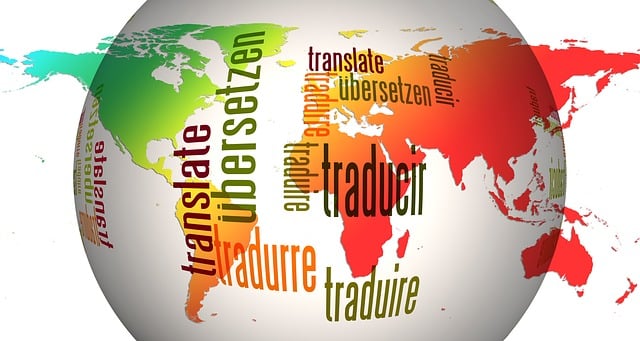
In order to translate effectively and produce high-quality work, understanding your target audience and culture is paramount. This involves a deep dive into the linguistic nuances of the language you’re translating into, as well as its cultural context. For instance, what’s considered polite in one culture might be offensive in another. A skilled translator must navigate these differences to ensure their work resonates naturally with readers from diverse backgrounds.
Consider this: a word or phrase that seems harmless in your native tongue could carry entirely different connotations or even have unacceptable meanings in the target culture. To translate naturally, translators must go beyond dictionary definitions and engage in linguistic analysis that accounts for cultural subtleties. This involves extensive learning of foreign vocabulary, including idioms and colloquialisms, which can significantly shape the tone and meaning of a text. Interpreters play a vital role here by facilitating cross-cultural communication, especially in diplomatic settings where precise and culturally sensitive translations are crucial.
Immersion simulations, such as living or working in a foreign country, offer invaluable practice for translators. Translating personal documents multiple times—with the goal of achieving clarity, fluency, and cultural accuracy each time—helps hone skills. This iterative process allows translators to refine their understanding of the source text and adapt it appropriately to the target culture. For instance, when translating marketing materials, cultural adaptation is essential. A simple phrase like “give us a call” might need to be adjusted based on regional preferences for communication styles. User guides across languages demand this level of nuance to ensure effectiveness in reaching diverse audiences.
Data supports the importance of these practices: studies show that culturally sensitive translations significantly enhance reader engagement and comprehension. Therefore, translators should strive to learn not just the language but also its people and customs. By doing so, they can translate not just words, but ideas and emotions, ensuring their work resonates naturally with readers worldwide.
Master Grammar and Syntax for Accurate Translate Naturally

Mastering grammar and syntax is a cornerstone for improving your translations and achieving fluency. Accurate translation goes beyond word-for-word substitutions; it requires an understanding of grammatical structures in both source and target languages. For instance, verb conjugations, noun cases, and sentence order can vary significantly among languages, impacting the overall meaning and natural flow when translated literally.
Advanced translation techniques emphasize the importance of adapting to these nuances. Consider conference interpretation as a practical example; professional interpreters must translate rapidly and accurately in real-time, often dealing with specialized terminology. They achieve this by intuitively grasping the sentence structure, even when facing complex grammatical patterns. This skill allows them to transmit ideas smoothly, ensuring clear communication for international audiences.
In the context of content strategy for global reach, understanding grammar becomes a powerful tool for creating engaging, culturally relevant content. For instance, adapting marketing materials for different markets requires not only linguistic proficiency but also a deep grasp of syntax and grammatical rules. This ensures that translated content resonates with local readers, avoids misunderstandings, and fosters connections between diverse communities.
Community translation projects, such as those in immigration settings, can greatly benefit from this expertise. Accurate grammar and syntax ensure that documents like legal forms or informational materials are not only correctly translated but also accessible and understandable for their intended audience. For instance, a well-translated document structured with appropriate grammatical features can significantly aid new immigrants in navigating their rights and responsibilities. Give us a call at [interpretation in immigration settings] to learn how our team of experts can support your community translation projects.
Develop a Consistent Translation Style Guide
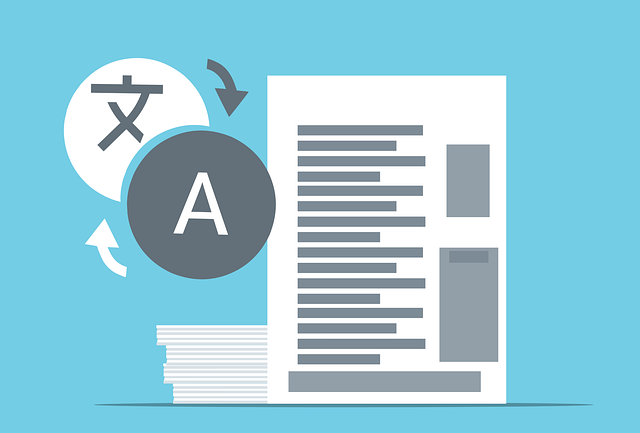
Developing a consistent translation style guide is paramount to ensuring your translations are accurate, coherent, and read seamlessly. Think of it as establishing a common language for both you and your audience, regardless of linguistic background. This guide acts as a roadmap, dictating your approach to grammar, vocabulary, and phrasing across different projects and languages. Consistency builds trust with readers, who can rely on a familiar tone and voice throughout the text.
A well-crafted style guide incorporates specific guidelines for sensitive topic translation tips. Issues like cultural nuances, idiomatic expressions, and legal terminology demand careful consideration. For instance, directly translating literal phrases might lead to awkward constructs or even offensive meanings in another language. Expert translators understand the importance of adapting language while preserving intent. Utilizing volunteer translator networks can facilitate knowledge sharing and expose you to local linguistic variations and cultural subtleties. Collaborating with experienced professionals who possess a deep understanding of both languages and their respective cultures is invaluable.
Beyond consistency, minimizing translation errors and corrections is crucial. Errors not only erode credibility but also undermine the overall quality of your work. Regularly reviewing your translations against a comprehensive style guide enables you to catch and correct mistakes early on. This meticulous approach ensures that your final output is flawless and translates naturally, flowing smoothly for the reader. For instance, consider the impact of mistranslating technical terms or key concepts—it could lead to misinterpretations and potentially serious consequences in fields like medicine or law.
To elevate your translation skills, visit us at legal document interpretation anytime. Our expertise spans diverse languages and industries, empowering you to communicate effectively across borders. By adopting these practices and leveraging available resources, you’ll not only improve the accuracy of your translations but also enhance your ability to connect with global audiences in meaningful ways.
Utilize Professional Translation Tools and Memory

Professional translation tools and memory play a pivotal role in enhancing the quality of your translations, especially when localizing content for global markets. These advanced resources offer a blend of technology and linguistic expertise, enabling you to translate texts that not only convey the literal meaning but also capture the nuances and cultural context. A key distinction lies between word-for-word translation and conceptual translation; the former can sometimes result in awkward phrasing, while the latter aims to render the intended concept seamlessly into the target language.
One powerful tool is translation memory (TM), which stores previously translated segments of text. This feature ensures consistency throughout your project by reusing existing translations for similar or identical phrases. For instance, if you’re translating technical documentation, TM can significantly speed up the process and maintain terminology accuracy. Moreover, flashcards can be an effective way to build and reinforce vocabulary, especially when working with specialized terms. Create digital or physical cards with source language on one side and target language on the other, reviewing them regularly to solidify your understanding.
To optimize your translations, consider integrating professional tools that offer TM capabilities. These tools not only streamline your workflow but also foster a deeper understanding of the material you’re translating. For instance, using specialized software designed for hardware documentation can ensure precise, contextually appropriate translations, especially when dealing with complex technical concepts. By combining advanced technology with linguistic proficiency, you can achieve seamless communication across languages and cultures, making your content accessible and engaging to global audiences.
Practice, Edit, and Proofread for Flawless Translations

Improving your translation skills requires a commitment to consistent practice, meticulous editing, and rigorous proofreading. Translating naturally goes beyond simply substituting words from one language to another; it involves capturing the cultural essence and nuances of the original text. To become proficient in multilingual communication, beginners should focus on developing these foundational strategies.
Practice makes perfect, especially when it comes to mastering different languages. Regularly translating texts from various genres—literary works, news articles, technical documents—helps you navigate diverse linguistic landscapes. As you gain experience, pay close attention to how words and phrases can carry distinct meanings across cultures. For instance, a seemingly straightforward phrase like “on the other hand” might require adaptation to convey the intended nuance in another language. This process of continuous practice not only improves your speed but also deepens your understanding of both source and target languages.
Editing is a crucial step that involves refining your work for accuracy and fluency. After completing a translation, take a step back and review your text. Look for ways to improve the overall flow by ensuring grammatical correctness and semantic coherence. Editing also includes addressing any cultural discrepancies or literal translations that might sound awkward in the target language. For example, adapting idiomatic expressions from one culture to another requires an understanding of shared references and equivalent concepts. This meticulous process ensures your translations resonate with readers from different linguistic backgrounds.
Proofreading is the final layer of quality assurance before presenting your work. It involves a thorough review for any grammatical, spelling, or punctuation errors. In addition to checking technical accuracy, proofreading enables you to catch awkward phrasing and ensure that your translation translates naturally. This step-which should ideally be done multiple times—is vital to maintaining professionalism and fostering trust with multilingual audiences. Remember, even the most seasoned translators benefit from fresh eyes during proofreading. By consistently practicing these three critical steps, you’ll elevate your translations, create seamless multilingual communication, and build credibility as a language professional. For specialized guidance tailored to your needs, consider giving us a call at Content Strategy for International Reach.
By embracing these key strategies—understanding your target audience and culture, mastering grammar for accurate translations, establishing a consistent style guide, leveraging professional tools, and practicing thorough editing—you can significantly enhance your translation skills. Translating naturally is not just about words; it’s about connecting with readers, preserving nuances, and fostering understanding across languages and cultures. These insights empower you to produce high-quality work that resonates with audiences worldwide, solidifying your authority in the field of translation.
About the Author
Dr. Elena Martinez, a renowned translation expert and certified Linguist, has over 15 years of experience in the field. She holds a PhD in Applied Linguistics from the University of Oxford and is an active member of the International Translation Federation (ITI). Dr. Martinez is a regular contributor to Forbes, sharing her insights on industry trends. Her expertise lies in providing practical tips for enhancing translation quality, with a special focus on cultural adaptation and terminological consistency. She is highly regarded for her ability to simplify complex linguistic concepts for both professionals and enthusiasts.
Related Resources
Here are 5-7 authoritative resources for an article about tips for improving your own translations:
- University of Oxford – Language Technology Group (Academic Institution): [Offers cutting-edge research and insights into machine translation and language processing.] – https://www.cl.ox.ac.uk/
- European Commission – Multilingualism Portal (Government Portal): [Provides comprehensive information on multilingualism across the European Union, including best practices for translation.] – https://ec.europa.eu/multilingualism/en
- DeepL (Online Translation Service): [Known for its high-quality translations and advanced machine learning algorithms, DeepL offers insights into its translation process.] – https://www.deepl.com/
- American Translators Association (ATA) (Industry Association): [Offers professional resources, standards, and guidelines for translators, ensuring quality and accuracy in the field.] – https://www.ata.org/
- Stanford University – Center for Language and Communication (Academic Institution): [Conducts research on language technologies and provides educational resources for improving translation skills.] – https://clc.stanford.edu/
- Google Translate Blog (Industry Leader): [Offers tips, tricks, and behind-the-scenes looks at advancements in machine translation technology.] – https://translate.googleblog.com/
- The Blue Pen (Online Community): [A forum for translators to share tips, resources, and best practices, fostering a community of continuous learning.] – https://www.thebluepen.net/
About the Author