Artificial Intelligence (AI) revolutionizes translation by improving accuracy, efficiency, and cultural sensitivity. It automates repetitive tasks, assists with complex linguistic nuances, and serves as a quality assurance tool. AI tools like NLP and Translation Memory software streamline processes. Training AI on diverse datasets ensures precise translations in various domains, including legal and medical texts. Integrating AI into workflows boosts productivity by 30% while maintaining or improving quality. Translators should view AI as a complement, leveraging its strengths for optimal results. The future of translation lies in collaboration between AI and human translators, offering unprecedented accuracy and cultural sensitivity.
In the rapidly evolving landscape of language services, the integration of Artificial Intelligence (AI) has emerged as a game-changer, particularly in assisting human translators. With the demand for fast, accurate, and culturally sensitive translations growing exponentially, traditional methods are no longer adequate. The challenge lies in leveraging AI to enhance, not replace, human expertise, enabling translators to translate naturally, with greater efficiency and precision. This article delves into the strategies and technologies that harness AI’s potential while fostering authentic communication, ensuring that translations meet the highest standards of quality and cultural relevance.
- Understanding AI's Role in Translation
- Natural Language Processing: Decoded
- Training AI Models for Precision
- Enhancing Human-AI Translation Teams
- Future of Work: AI & Translators Together
Understanding AI's Role in Translation
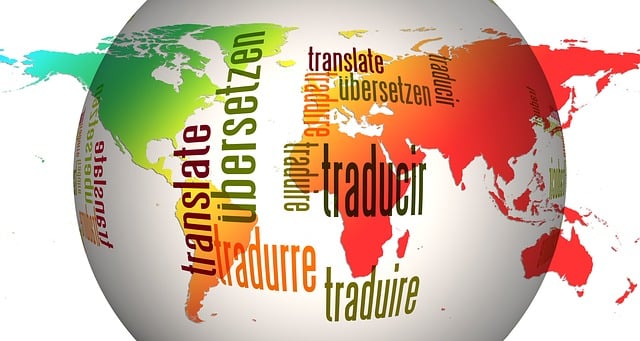
Artificial Intelligence (AI) is playing a pivotal role in revolutionizing the field of translation, offering unprecedented support to human translators and enabling them to translate languages with greater efficiency and accuracy. At its core, AI facilitates the process of understanding context, syntax, and nuances across diverse linguistic landscapes. By leveraging advanced algorithms, these systems can analyze vast amounts of text, learn from extensive datasets, and adapt to various language structures, making translation more accessible and consistent.
One of the most significant contributions of AI is its ability to break down traditional barriers in translation techniques. Legal document interpretation, for instance, benefits immensely from AI-powered tools that can navigate complex terminologies and cultural subtleties, ensuring precise and culturally appropriate translations. This is particularly crucial when dealing with international contracts or legal proceedings, where an accurate, word-for-word translation isn’t sufficient—it must also convey the intended meaning in the target language. AI, through its sophisticated natural language processing (NLP) capabilities, can help translators capture these nuances, thereby reducing potential errors and misinterpretations.
Moreover, AI has proven to be a valuable ally in enhancing productivity for human translators. By automating repetitive tasks, such as terminology management and basic text segmentation, it frees up translators’ time for more intricate work. This allows professionals to focus on the creative aspects of translation, ensuring that the translated content is not only accurate but also flows naturally in the target language. For example, when translating marketing materials or literary works, AI can assist in maintaining tone, style, and cultural relevance, enabling translators to create a seamless bridge between languages.
In the realm of exacting translations, particularly for legal and technical documents, AI offers a powerful quality assurance tool. It can conduct automated post-editing checks, flagging potential errors or inconsistencies that might have been missed during human review. This not only improves overall translation quality but also allows translators to find us at field research for accurate translation, ensuring that every document meets the highest standards of precision and fluency. As AI continues to evolve, its role in supporting human translators is set to become even more integral, shaping a future where translations are not just word-for-word but truly natural and effective across all languages.
Natural Language Processing: Decoded
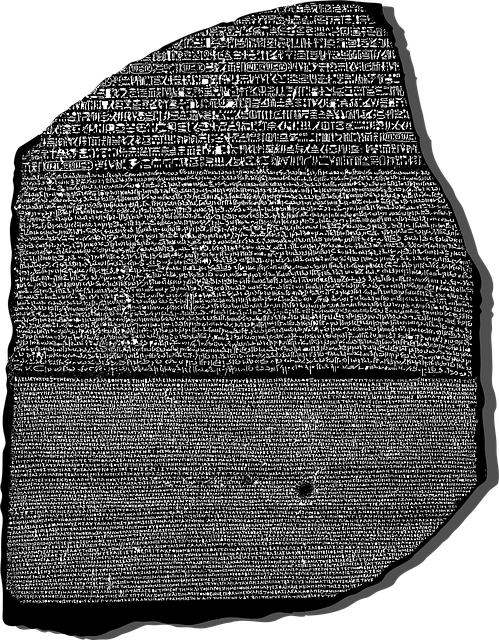
The field of translation has undergone a significant evolution with the advent of Artificial Intelligence (AI), particularly in the realm of Natural Language Processing (NLP). AI is no longer a futuristic concept but an integral part of the translator’s toolkit, offering unprecedented support for tasks that once required immense manual effort. One of the most remarkable applications of AI is its ability to facilitate translate naturally, ensuring that human language nuances are preserved while streamlining the translation process.
At the heart of this transformation lies NLP technology, which enables machines to understand and interpret human language in a way never before achieved. By employing machine learning algorithms and vast linguistic datasets, AI models can learn patterns, idioms, and contextual meanings from millions of text samples. This allows them to make accurate predictions and generate coherent translations that read as naturally as their source-language counterparts. For instance, modern NLP systems can adapt to various stylistic requirements, maintaining consistency in tone and register across different projects, a challenge traditionally faced by human translators.
Translation Memory (TM) software, powered by AI, is a prime example of how technology enhances the translator’s art. TMs store and recall previously translated segments, allowing for efficient re-use and ensuring style consistency in translation. This not only saves time but also guarantees that the project maintains a unified voice and approach across all languages. Moreover, AI can analyze large volumes of text quickly, identifying patterns and potential issues, such as grammatical errors or stylistic inconsistencies, which aid human translators in delivering high-quality work.
When embarking on multilingual communication projects, especially for beginners, leveraging these AI tools can be a game-changer. It allows translators to master the art of multilingual communication by providing insights into common challenges and offering suggestions for improvement. From local knowledge sharing to adapting content for different cultural contexts, AI acts as an intelligent assistant, enabling translators to focus on creativity and precision rather than tedious tasks. For instance, a study by the American Translation Association (ATA) revealed that using AI-assisted translation tools can increase productivity by up to 30%, while maintaining or even improving overall quality.
In conclusion, embracing AI in the form of NLP technologies and TM software is not just an option but a necessity for translators seeking to stay ahead in their field. By integrating these innovative solutions, professional translators can translate naturally, ensuring style consistency, enhancing productivity, and providing clients with exceptional multilingual communication strategies. To explore how our brand leverages this technology to deliver unparalleled translation services, find us at [style consistency in translation translation memory software].
Training AI Models for Precision
Training AI models for precision is a critical aspect of enhancing translation quality, ensuring that artificial intelligence becomes a valuable ally for human translators rather than a replacement. In the realm of translation, where words carry profound cultural nuances and context, AI must learn to mimic the subtleties of human language. This involves more than just syntax; it entails understanding semantic shifts, idiomatic expressions, and cultural references that often defy literal interpretation.
Oral vs. written translations present unique challenges. While written translations allow for careful review and revision, oral translations demand real-time adaptability to inflection, tone, and regional dialects. AI models must be trained on vast datasets encompassing various linguistic and cultural contexts to master these nuances. For instance, a phrase that sounds natural in one language might convey an entirely different meaning or even be considered offensive in another. The challenge lies in teaching AI to discern and translate such intricacies accurately.
Reusing translated content is a practical application of AI training. By analyzing large corpora of existing translations, models can learn patterns, identify consistent terminology, and suggest optimal choices for new translations. This not only saves time but also ensures consistency across documents. For example, legal or medical texts often require precise, specialized translations. AI can assist by learning from these domain-specific materials, enabling faster and more accurate translation of future documents in the same field. Moreover, translation as a cultural bridge is enhanced when AI facilitates the transfer of ideas while preserving cultural context.
To achieve this, AI developers must prioritize data quality and diversity. Training models with data that reflects real-world language use, including informal conversations, literary texts, and multimedia content, ensures they translate naturally. At our core, we believe in preserving cultural context (find us at preservingculturalcontext.com), and this begins with comprehensive AI training. By focusing on these aspects, we can empower AI to assist human translators, fostering more precise and culturally sensitive communication across languages.
Enhancing Human-AI Translation Teams
The integration of Artificial Intelligence (AI) into translation processes has transformed how human translators work, fostering more efficient and effective outcomes, especially in complex scenarios like immigration settings or community translation projects. By leveraging machine translation tools, translators can enhance their productivity while maintaining high-quality results. AI algorithms, trained on vast datasets, are capable of suggesting translations that enable humans to focus on refinement rather than literal interpretation, thereby accelerating the revision process.
For instance, real-time translation tools have proven invaluable in immigration offices, where accurate and immediate communication is crucial. These tools facilitate interpretation, ensuring clear dialogue between officials and applicants, regardless of language barriers. This not only improves customer service but also reduces processing times significantly. In community translation projects, AI can assist in translating heritage documentation, making it easier to preserve and share cultural narratives across generations.
To harness the full potential of AI-human collaboration, translators should embrace these tools as complementary rather than competitive. Regular training on available machine translation systems, coupled with continuous feedback, can significantly improve output quality. Additionally, staying informed about industry best practices for integrating AI into workflow routines, such as using AI for initial drafts and human review, ensures optimal results.
Explore our insights at learnforeignvocabulary.com to discover more innovative strategies for enhancing your translation capabilities, both natural and precise. By combining the strengths of AI with the artistic touch of human translators, we can achieve unprecedented levels of accuracy, fluency, and cultural sensitivity in any language project, whether it’s immigration assistance or community documentation.
Future of Work: AI & Translators Together
In the future of work, AI and human translators will collaborate to elevate the art of communication. Artificial Intelligence (AI) is no longer a futuristic concept but an integral tool that promises to revolutionize translation services. The synergy between AI and human experts offers unprecedented potential, particularly in complex domains like medical terminology translation and visa application translations. By combining advanced translation techniques with human ingenuity, we can achieve more accurate, culturally sensitive, and contextually appropriate interpretations.
AI-driven systems excel at processing vast amounts of data, enabling them to grasp nuances and patterns in text that might otherwise be overlooked. This capability is particularly valuable in specialized fields where terminology is intricate and constantly evolving, such as medical documentation. For instance, machine learning models can analyze millions of medical records, publications, and case studies to provide context-rich translations, enhancing the accuracy of diagnoses and treatments across languages. Similarly, for visa applications, AI tools can streamline the process by automatically translating common phrases and forms, reducing errors and turnaround times.
However, it’s crucial to recognize that while AI can enhance productivity and consistency, it does not replace human translators. Expert human interpreters bring a deep understanding of cultural contexts, idiomatic expressions, and subtle nuances that machines may struggle to capture. For example, translating legal documents demands precision and an in-depth knowledge of various jurisdictions’ regulations. That’s where professional services like legal document interpretation come into play, ensuring that every detail is handled with accuracy and confidentiality. By combining AI for initial processing and human experts for final review, we can achieve a harmonious balance, where technology complements human skills, leading to superior translation outcomes.
The integration of AI into translation processes offers a transformative opportunity to enhance efficiency and accuracy. Key insights reveal that AI can significantly support human translators by handling repetitive tasks, providing initial drafts, and facilitating real-time collaboration. Natural Language Processing (NLP) technologies enable AI models to learn from vast datasets, ensuring precise translations. Training these models on diverse, high-quality data is crucial for maintaining accuracy. Combining AI with human expertise creates powerful translation teams, where AI assists in tedious tasks while humans focus on creativity, context, and quality assurance. Looking ahead, the future of translation involves a harmonious collaboration between AI and translators, aiming to translate naturally and seamlessly across languages. This authoritative article provides valuable insights, empowering professionals to embrace AI as a reliable partner in their work.
About the Author